
History団体の歴史
私たちの団体の立ち上げから、
これまでの歩みの中で、
大きな節目となった出来事を紹介します。
2000
炊き出しのための連帯活動からスタート
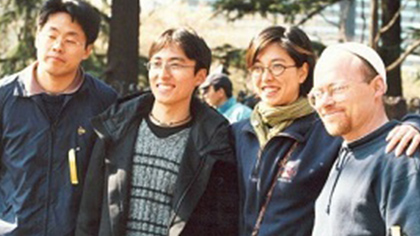
山谷地域(台東区)の組合や宗教団体や活動家など自分たちの活動のために2000年1月に 連帯組織(フードバンク Food Bank Japan)を立ち上げ、マクジルトン・チャールズが共同代表になった。
2002
「特定非営利活動法人フードボート
NPO Food Boat Japan」の名称で活動を開始
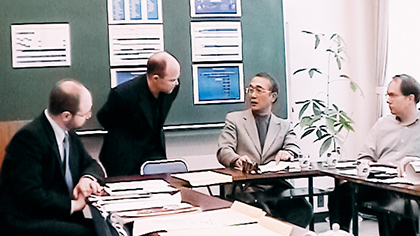
2002年3月11日、上智大学のキリスト教研究センターで設立総会を開き、同年7月25日に東京都より特定非営利活動法人化の認証を受ける。この当時私たちは倉庫なしで運営しており、その日のうちに引き取ったものを完全に配布しなければなりませんでした。
2003
PABの定期会合が始まる
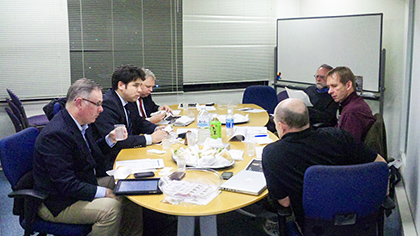
PAB (Professional Advisory Board) とは、2hjの資金スポンサーによる諮問機関。マネジメント、戦略、ファンドレイジングの観点からフードバンクに対する意見交換を行う。
東京・浅草橋に事務所を開設
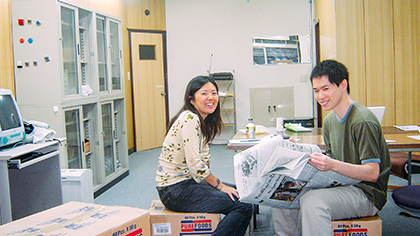
2003年7月、現在にまで至る東京・浅草橋に事務所を開設。
2004
セカンドハーベスト・ジャパンに名称変更
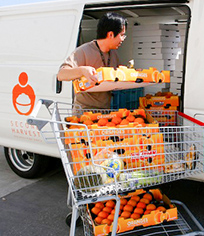
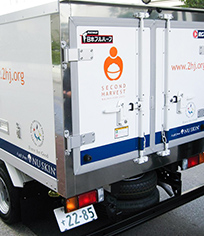
このころに配送用車両の寄付、後の2007年には冷凍車の寄付を受け、食品の取り扱い量・種類の幅ともに拡大。
フードパントリー活動を開始
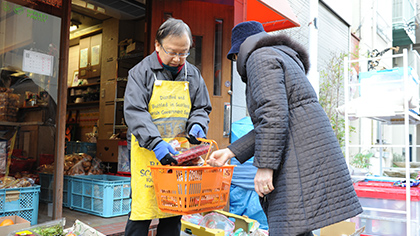
浅草橋において個人向けの直接配布と食品パッケージの宅配を開始。
Adopt-a-Family Projectを開始
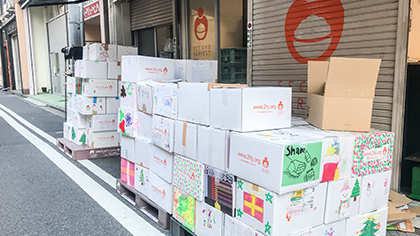
“Adopt a family”(アダプト・ア・ファミリー)とは、日本語で「家族を引き受ける」という意味。参加企業や団体・組織が応援したい生活困窮者世帯数を決め、対象世帯の状況や栄養上のニーズに沿った食品を詰めたパッケージを作るプロジェクトがスタートした。
2007
テレビ東京「ガイアの夜明け」で紹介
2007年3月27日放送回タイトルは「“余った食”のゆくえ ~消費期限 もうひとつの物語~」捨てられるはずだった食品を有効に活用する日本初の試みとして、2hjのフードバンク活動が紹介される。
FABの定期会合が始まる
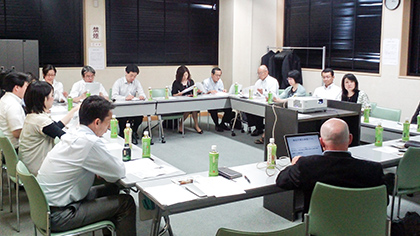
FAB(Food Advisory Board)とは、2hjに関連する食品企業による食品委員会。食品関連企業の観点からフードバンクに対する意見交換を行う。
2008
全国フードバンク・キャラバン及び第1回フードバンクシンポジウムにて、フードバンクのガイドラインの必要性を提示
2009
全国フードバンク・キャラバン及び第2回フードバンクシンポジウムにて、フードバンクのガイドラインの最初のドラフトを提示
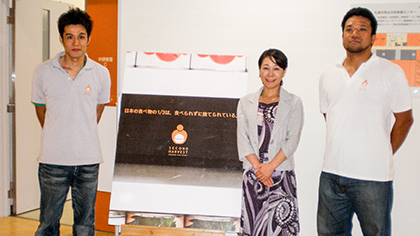
2010
セカンドハーベスト・アジア設立
日本を含むアジアにおけるフードバンクの発展を促進するミッションを掲げ、2hj理事長チャールズが中心となり米国にセカンドハーベスト・アジアを設立。
日本でのフードバンク活動が10年の節目を迎える
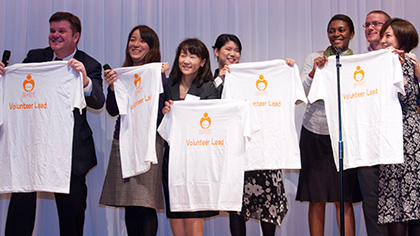
日本でのフードバンク活動が始まり10年目を迎えたこの年、活動を支えてくださった企業や福祉施設、団体やボランティアの皆様を招き、10周年記念パーティを開催。
フードバンクガイドラインを起草
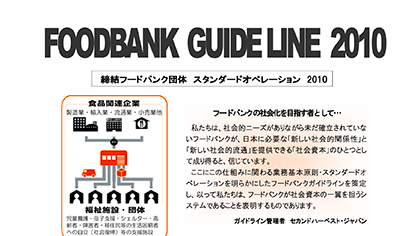
日本初のフードバンクとして、持続可能なフードバンク運営ののためのフードバンクガイドラインを起草。2010年10月に日本国内にある11のフードバンクが「フードバンクガイドライン2010」に署名。
2011
東日本大震災発生支援活動を開始
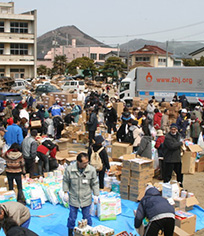
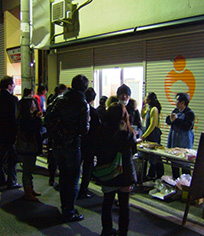
2011年3月11日 14時46分。未曾有の被害を生んだこの出来事に2hjはいち早く被災地へ赴く。事務所がある浅草橋では帰宅困難者への炊き出しを実施。
仙台を拠点として現状確認し、被災地へトラックを170回以上走らせ避難所や児童養護施設、高齢者施設、ホテル、協力NPOなどへ食品を提供。また、個別の支援として石巻市に現地事務所を設置して被災者への食料支援や東京本部から食品パッケージ(食品の詰合せ)を1万箱以上を石巻市以外の被災地へ発送。
2012
フードバンク研修会(シンポジウム) 開催
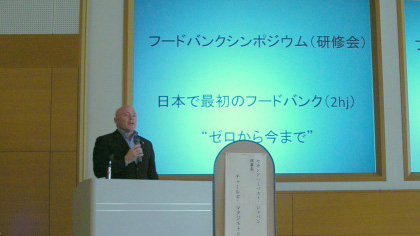
2012年3月15日、“フードバンク:ゼロから今まで”と題し、全国4箇所を巡っての研修会(シンポジウム)を開催。日本におけるフードバンク活動の現状と将来像について議論。
農林水産省とのフードバンク推進事業 実施
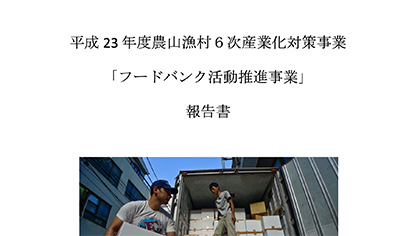
2012年1月~11月、平成23年度食品産業環境対策支援事業における農山漁村6次産業化対策事業の一環で、農林水産省からの補助金交付を受け「フードバンク活動推進事業」を行う。
QRコードを用いた配送記録システム 開始
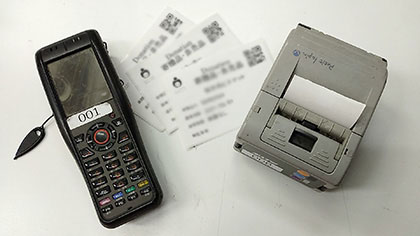
寄贈食品の配送記録作業効率化、トレーサビリティ記録のため導入。これにより寄贈企業に対する配送報告はもちろん、地域ごとの配送件数や施設の種類ごとの食品供給量、車輛の稼働率など様々なレポートを出力することが可能に。
企業とのCRMを強化
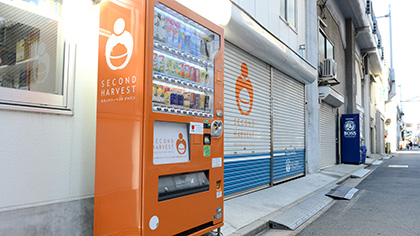
CRM(Cause Related Marketing)とは、様々な社会問題に自社のブランド/サービスを関連づけてキャンペーンを行い、経済的、人的に支援することで結果として営業利益を上げるマーケティング活動。2hjでは企業との協力により飲料自販機を設置、これを初めて実践した。
2013
高等学校の英語教科書に2hjが登場
三省堂出版 英語教科書 『CROWN』の平成25年版にフードバンクと2hjが題材として取り上げられる。2hj代表チャールズの活動にかける思いを通じ、教育の現場からフードバンクの活動が知られるようになる。
台風で甚大な被害を受けたフィリピンの被災地支援実施
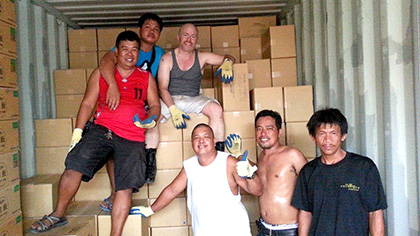
代表のチャールズを含めた2hjスタッフが現地視察で収集した情報を元に、救援物資がフィリピン・セブ島、レイテ島へ到着。日本にある2hj倉庫では支援物資の手配が行われ、ボランティアさんの協力が非常に大きな力となった。
2014
第一回食品産業もったいない大賞局長賞受賞
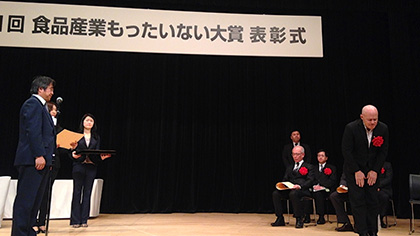
2014年3月26日、農林水産省後援 第一回食品産業もったいない大賞 表彰式が内幸町のイイノホールで開催され、2hjは局長賞を受賞。
2015
東京都環境局主催マッチングセミナー開催
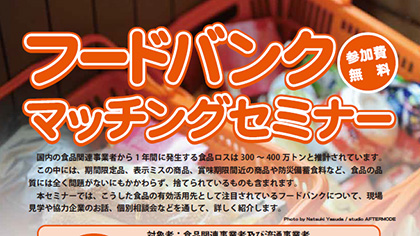
2015年2月4日、東京都環境局の主催で、もったいない食品の寄贈に興味がある企業とフードバンクをつなげるマッチングセミナーが実施され、2hjは講演とフードバンクの現場として来場者の方々へ活動を紹介。
神奈川倉庫が稼働を始める
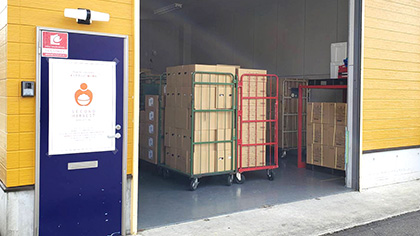
2015年8月4日、神奈川県でのフードバンク活動強化のため大和市に倉庫を借り、寄贈食品の受け入れを開始。同県でのサービス向上と寄贈食品の団体の引き取りも順次拡大へ。
フードバンク運営マニュアル作成
各地で研修会を開催
農林水産省より食品企業からの信頼性向上させ、フードバンク活動団体の運営体制の整備推進を目的とした事業の委託を受け、2hjではフードバンク活動団体立ち上げから食品管理等の実際の運営までを網羅した詳細な運営マニュアルを作成し、その後研修会を東京・鹿児島・大阪・仙台にて開催。
2016
フードバンク運営マニュアルが完成・公開
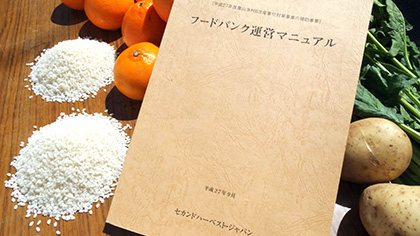
農林水産省から食品ロス削減等総合対策事業の一環として2hjはフードバンク運営マニュアル普及事業を受諾。連携するフードバンク団体や食品提供企業様、また食品提供先の施設様のご協力を頂戴し、フードバンク運営マニュアルが完成。
熊本地震への支援対応
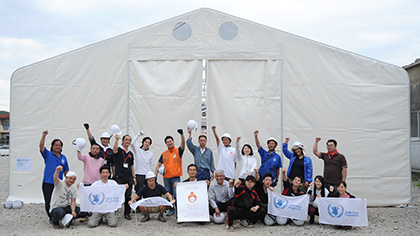
フードバンクかごしまを通じた熊本県庁からの支援要請を受け、本震が発生した4月16日に災害備蓄食品を中心とした支援物資を積んだ4トントラックで東京を出発し、4月17日に現地入りして支援活動を開始。
当初県の要請に応じて各市町村への物資の提供や支援物資の運搬に従事するも、震災の被害の大きさ、公的な救援活動だけでは被災者に十分な支援が行き届かない状況から、長期的な支援が必要と判断し2hj熊本プロジェクトが立ち上がり2016年末まで現地で活動していくことを決定。
8月18日、9月5日付け朝日新聞朝刊にて2hjが紹介
2015年4月に生活困窮者自立支援制度が始まり、自治体でが支援窓口を設置されたことを背景に、新しいフードバンクの立ち上げや自治体と連携するフードバンクが増加。こうした流れの中で2hjの存在と活動が紹介される。
ハーベストセントラルキッチンがオープン
2hjは新しいステージへ
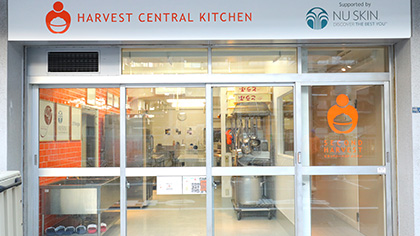
2016年10月5日 学習支援施設や生活困窮者支援施設などに週約700食の食事を提供することを目標に開設し、同時に衛生面等での信頼を確実なものにするため、食品営業許可も取得。オープン日には支援をしてくださった企業・団体様をお招きしセレモニーが開かれた。
オンラインマッチングシステム導入
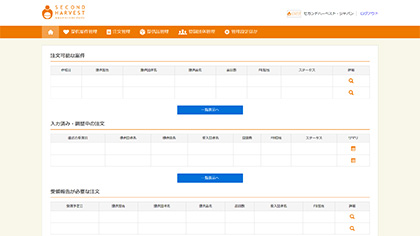
2hjの支援先団体限定のクローズ型プラットフォーム。食品は、寄贈元の企業から直送され、全国どこからでも申し込みや受取りが可能になる。
食品提供の企業・団体数が1000を突破
2017
『東京2020:10万人プロジェクト』始動、
それに伴い埼玉県八潮市内の倉庫を稼働開始
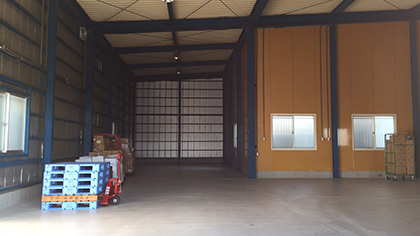
2016年秋にスタートした『10万人プロジェクト』推進のため、2017年1月 埼玉県八潮市に「物流センター」となる倉庫を借り、支援先団体、物流サポート企業の方々と2hjスタッフが協力して4段パレットラックを組み立てる。現在では、2hjの基幹倉庫として重要な役割を担う。
新しい形の子ども食堂「Kids Café」オープン
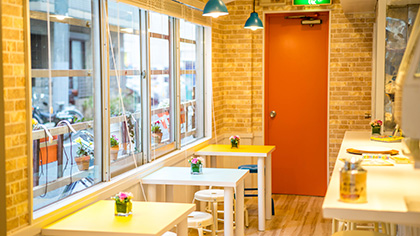
2017年3月28日 台東区浅草橋の2hj事務所すぐそばに食事提供、学習支援、体験・交流プログラムなどが無料で利用可能なKids Café(キッズカフェ)をオープン。子どもたちの成長を応援するコミュニティスペースとしての役割を果たし、子ども食堂の新たなモデルになることを目指す。
Kids Café webサイトはこちら
15周年記念会を開催
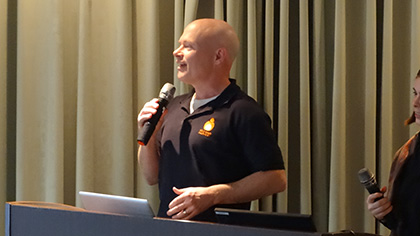
2017年4月16日 2002年に法人格化してから今年で15周年を迎え、これまでご支援いただいた企業、団体、ボランティアさん、そして過去に2hjにおいて働かれていたOB・OGにお越し頂き記念会を開催。代表のチャールズは冒頭の挨拶にて、15年に及ぶ歩みは多くのステークホルダーとの信頼関係と対等関係によって築き上げることができたと語った。
第10回フードバンクシンポジウム開催
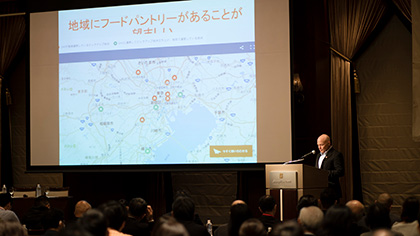
2017年10月16日 シンポジウムでは10万人プロジェクトの紹介をはじめ、余剰食品を活用したフードセーフティネット構築に関する公募アイデアのプレゼンテーション、企業や団体からの事例紹介、専門家を交えたパネルディスカッションを実施。「食べることに困ったとき、頼れる場所が当たり前のようにある社会」を目指すために、私たちに何ができるのかを来場者と共有。
2018
2hjが「認定NPO法人」の認定を取得
平成30年4月11日付で所轄庁である東京都より、認定特定非営利活動法人(認定NPO法人) としての認定を受ける。認定取得により2hjへの寄付について、寄付金控除(個人)や損金算入限度額の枠の拡大(法人)、相続財産の非課税といった税制上の優遇措置が受けられるようになった。
チャールズCEO, EXPO LIVEで「marugohan(まるごはん)」をプレゼン
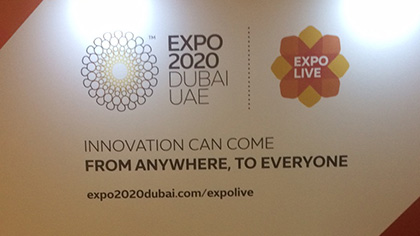
セカンドハーベストCEOのマクジルトン・チャールズが、アラブ首長国連邦で始まるExpo Live*において、2019年10月にオープンを目指す「marugohan(まるごはん)」計画の基本理念、実施計画、期待される結果をドバイでプレゼンテーションを行う。
*私たちの地球を保全しながら、すべての人々の生活をよりよくしていくための創造的な解決策に資金提供を行い、その実現を促進させる、というプログラム
西日本豪雨災害に対する支援活動を開始
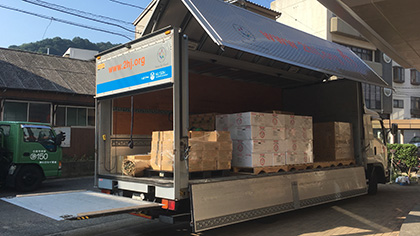
2018年7月の西日本豪雨災害の発生直後より活動を開始。被災地の自治体や支援活動に従事する団体などからの要請を受けて、食品や飲料などの支援物資の避難所などへ提供。10月以降は在宅避難者の方々の生活再建の一助となるための中長期的な食の支援へと移行し、現地で支援活動を続ける団体と連携しながら、在宅避難者の状況やニーズの把握、関連する担当部署との調整を進めた。
2019
台風19号の災害被災者支援を実施
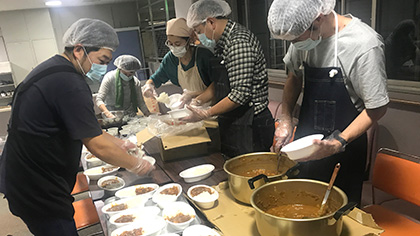
大きな被害をうけた川越市への支援に関して、埼玉県福祉部の協力を得て、川越市社会福祉協議会と協働を始め、市内施設へ避難している方々への温かい食事の提供を実施。また、栃木県にも支援のために入り、フードバンク宇都宮と栃木市社会福祉協議会と連携し被災者への食料支援を実施。栃木市と栃木市社会福祉協議会が実施した被災者訪問支援事業に対しても食品パッケージの提供を実施。
全く新しいスタイルのフードパントリー“marugohan(まるごはん)”を本格始動!
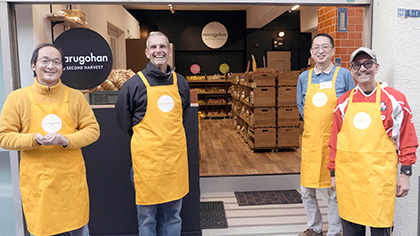
2019年10月より、「食」の支援を必要としている利用者に、より快適で使いやすいパントリーサービスを提供するため、全く新しいスタイルのパントリー「marugohan (まるごはん)」を本格始動。
2020
コロナ禍で急増する利用者支援のため、合同会社西友から緊急支援を受ける
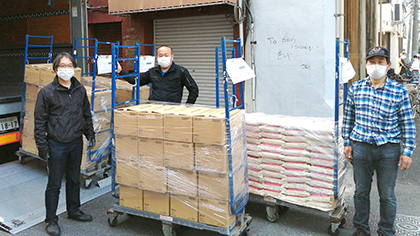
西友から卵6,000ケース、牛乳6,000本、お米約14トン、インスタントみそ汁約10,000パックなどが寄贈される。2009年以降、西友からの支援は、フードバンクやフードドライブによる食品の提供のみならず、助成金の提供、従業員のボランティア活動参画、お客様の店頭レジ募金とそれに対するマッチング寄付等、多方面に渡り、これまでの食品寄付、助成金提供、レジ募金、マッチング寄付の合計額は4億円以上に上る。(2020年9月現在)
第一回緊急事態宣言発出で、直営パントリーにおける配布方法を緊急体制に変更
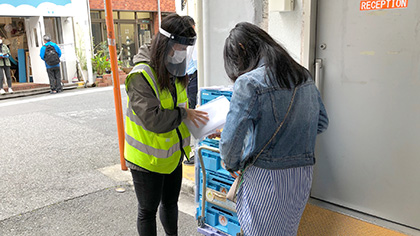
第一回目の緊急事態宣言の発出を受け、4月16日から配布方法を変更。コロナ感染拡大対策を徹底の上、これまでの各自にニーズに合わせて選べるスタイルから事前にセットしたパッケージを渡す形へ。密を避けるため、事態収束までのKids Cafeの休止を決定した。
寄贈品管理システムを全面刷新、本格稼働を開始
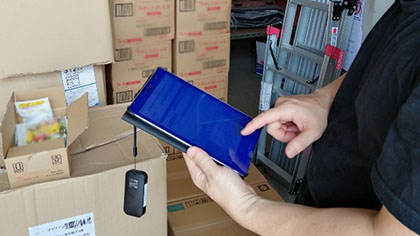
フードライフライン強化のため寄贈品管理システムを全面刷新、8月1日より、本格稼働を開始。2020年4月より導入準備を進めたこのシステムは、現行業務の省力化、データ管理の精度向上、システム環境の強靭化へ寄与するとともに、「ウィズ・コロナ」環境への対応も視野に入れた運用設計とした。
コロナ禍でフードセーフティネットを拡大。直営・連携フードパントリーが東京・埼玉で共に40を突破
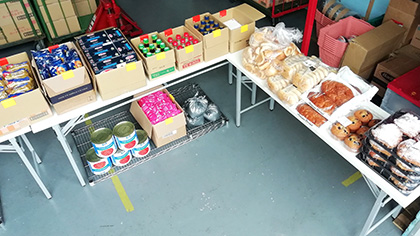
2020年10月末時点の集計で、東京都内の2hj直営・連携パントリーの拠点数が40か所に到達。なお、埼玉県でも既に同年8月末集計で40か所を突破し、同年10月末時点では47か所とその目標を大きく上回った。
コロナ禍で困窮する大学生向け緊急パントリーを実施
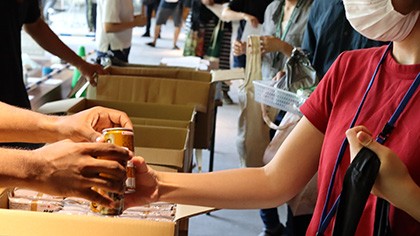
東京農業大学と協働で困窮する学生を対象に7月と8月の2日間、同大学キャンパス内で緊急フードパントリーを実施。食品を受け取る学生からは、彼らのおかれた厳しい状況と、今回のパントリー実施に対して感謝の声が届いた。他にも大学、短大、専門学校や日本語学校といった各教育機関と協働し、増加する困窮学生への支援を実施。
うさがみそーれープロジェクトを開始
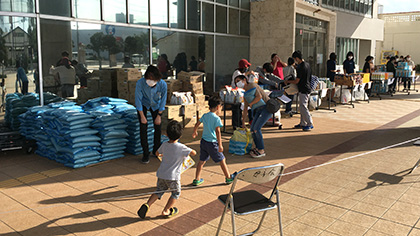
コロナ禍で貧困率が30%を超えた沖縄において、うみがそーれプロジェクトを実施。「うみがそーれ」とは沖縄の言葉で「召し上げれ」という意味で、2020年7月から12月にわたり合計10,000世帯を支援した。このプロジェクトは2021年以降も継続的に行政、社会福祉協議会や他団体と協働し、支援を拡充していく予定。
2021
第55回 吉川英治文化賞を受賞
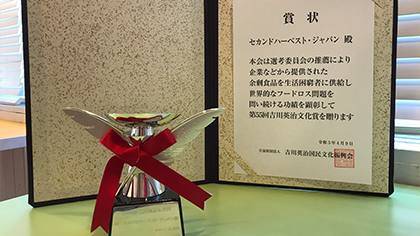
日本初のフードバンクとして長年にわたり実施してきた、各ステークホルダーと協働で余剰食品等を食の支援を必要とする組織・団体や個人に再配布する活動が認められる。
「うさがみそーれプロジェクト」を通じて、沖縄で30,000世帯に食品を提供
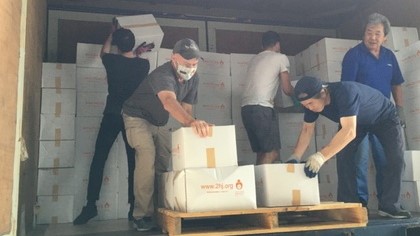
バークレイズ・グループをはじめとする各ステークホルダーと協働で、2020年7月より沖縄県にて、食の支援が必要な世帯に食品を提供する「うさがみそーれプロジェクト」を実施。2021年8月末には、合計で30,000世帯に食品を提供した。
10万人プロジェクトで、直営・連携フードパントリー数が東京、神奈川、埼玉合計で200に到達
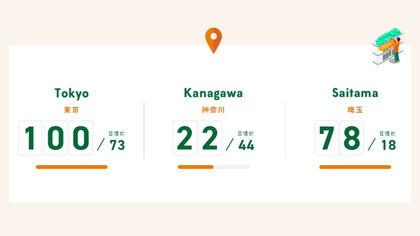
2016年より東京で10万人、神奈川、埼玉を合わせて16万人に対する食の支援を目標に「東京2020:10万人プロジェクト」を実施。2021年12月末時点の集計で、東京都内で100か所、埼玉県で78か所、神奈川においては目標数には達しなかったものの、合計目標値135に対して200の拠点を設立した。
2022
フードバンク、地方企業と団体の三者連携による関東圏外での活動を始動
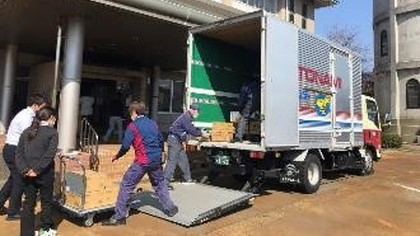
2022年3月12日、富山県高岡市に本社を置くトナミ運輸、同市社会福祉協議会と市役所の協力を得て、ひとり親支援を実施する高岡市母子寡婦福祉会の会員のうち、生活に困窮する未成年の子を持つ60世帯への食品提供を実施。トナミ運輸は、2HJ埼玉拠点から高岡市のパントリー会場への食品輸送のため、同社のドライバーと車両を提供した。
2023
新CEOが就任
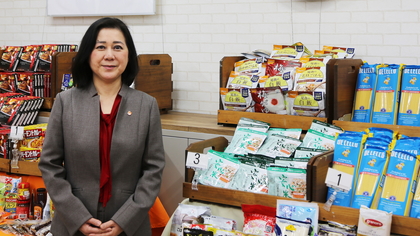
2023年7月1日付でセカンドハーベスト・ジャパンCEOに横手仁美が就任。
沖縄で地元団体と協働でフードパントリーをオープン
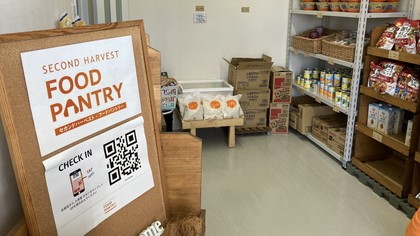
2023年11月にフードバンクセカンドハーベスト沖縄と協働で沖縄県豊見城市に「セカンドハーベスト・フードパントリー」をオープン。食支援のニーズが継続的に高い沖縄で、短期・単発的に実施するこれまでの配付会とは違う、必要な時に食品が受け取れるフードパントリーを定着させることを目指す。
2024
能登半島地震の被災地支援を実施
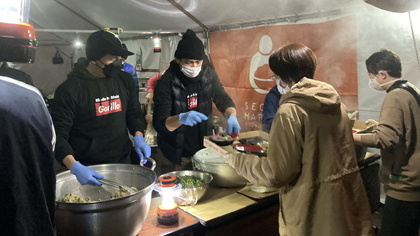
2024年1月に発生した能登半島地震による被災地支援のため、発災直後から災害支援団体や地元団体と協働で炊出しや被災地のニーズに合わせた食品提供を実施。また、中期支援を視野に、継続的に在宅避難者含む被災者へ食品を提供するために、現地に2HJ中能登拠点を開設した。
石川県中能登拠点を開設
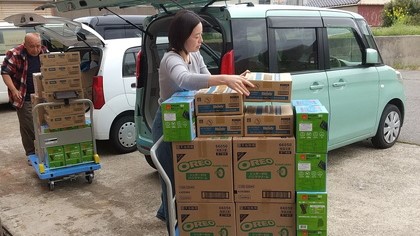
2024年3月、能登の被災地における中期支援を視野に、石川県鹿島郡中能登町に2HJ中能登拠点を開設。緊急支援でも協働してきた災害支援団体や地元団体と連携して、本格的な稼働を開始する。
能登被災地支援のため、食料応援パッケージプロジェクトを開始
2024年10月、「食料応援パッケージ」プロジェックトを開始。プロジェクトでは、被災により自宅が損壊し、仮設住宅や借り上げ住宅に入居している、在宅避難を続けている等、厳しい避難生活の中で不安を抱える1,500世帯を対象に、10キロ前後のパッケージを合計3回、無料で配送する。
セカンドハーベスト・フードパントリー2号店が沖縄県那覇でオープン
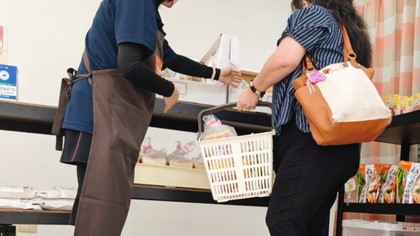
2024年12月、フードバンクセカンドハーベスト沖縄と協働で運営するセカンドハーベスト・フードパントリーの2号店が那覇にオープン。2023年11月より運営を続ける豊見城店同様、各世帯が必要なものを選べるショッピングスタイルを採用し、より大きなニーズに応えるために、毎週月、水の週二回、食品提供を実施する
2025
生団連の新・災害支援スキームによる食品寄贈を活用
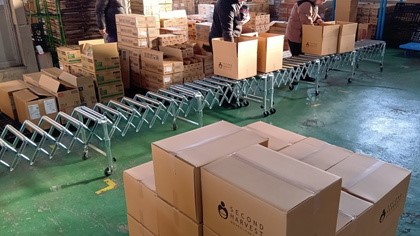
国民生活産業・消費者団体連合会(生団連)の新・災害支援スキームは、700を超える企業・消費者団体・NPO等の連合体として組織内の協力体制を整備し、実効性のある災害支援を目的としたもの。2025年1月から順次、2HJ中能登拠点に納品された、会員企業計8社からの20,000食以上の寄贈食品は、同スキーム初の大型事例となった。
新CEOに芝田雄司が就任
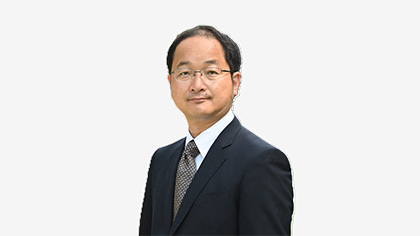
2025年7月1日付でセカンドハーベスト・ジャパンの新CEOに芝田雄司が就任した。